For almost two decades, Atelier JI has developed and produced some of the most technically ambitious fine art prints, multiples and works on paper through an integrated production studio built around artists and their vision.
Every project begins with ambition and imagination. Image, surface, scale, material and structure determine the route to production, with each edition developed according to its own technical and material requirements.
Invited artists work directly with our master printers across screenprint, relief, intaglio, digital and hybrid processes, allowing ideas to evolve through making rather than being constrained by a predetermined method.
The studio works with dense colour, layered ink, large-format registration, specialist surfaces and complex edition structures. Screenprint may stand alone or combine with intaglio, relief, digital output, hand-work and finishing.
Atelier JI can print up to 250 × 125 cm in a single pass, with larger works possible through joined or structured image sections. Substrates may include cotton rag paper, handmade and machine-made papers, canvas, acrylic, metal, glass, wood, resin and other materials where appropriate to the work.
_lo.jpg)
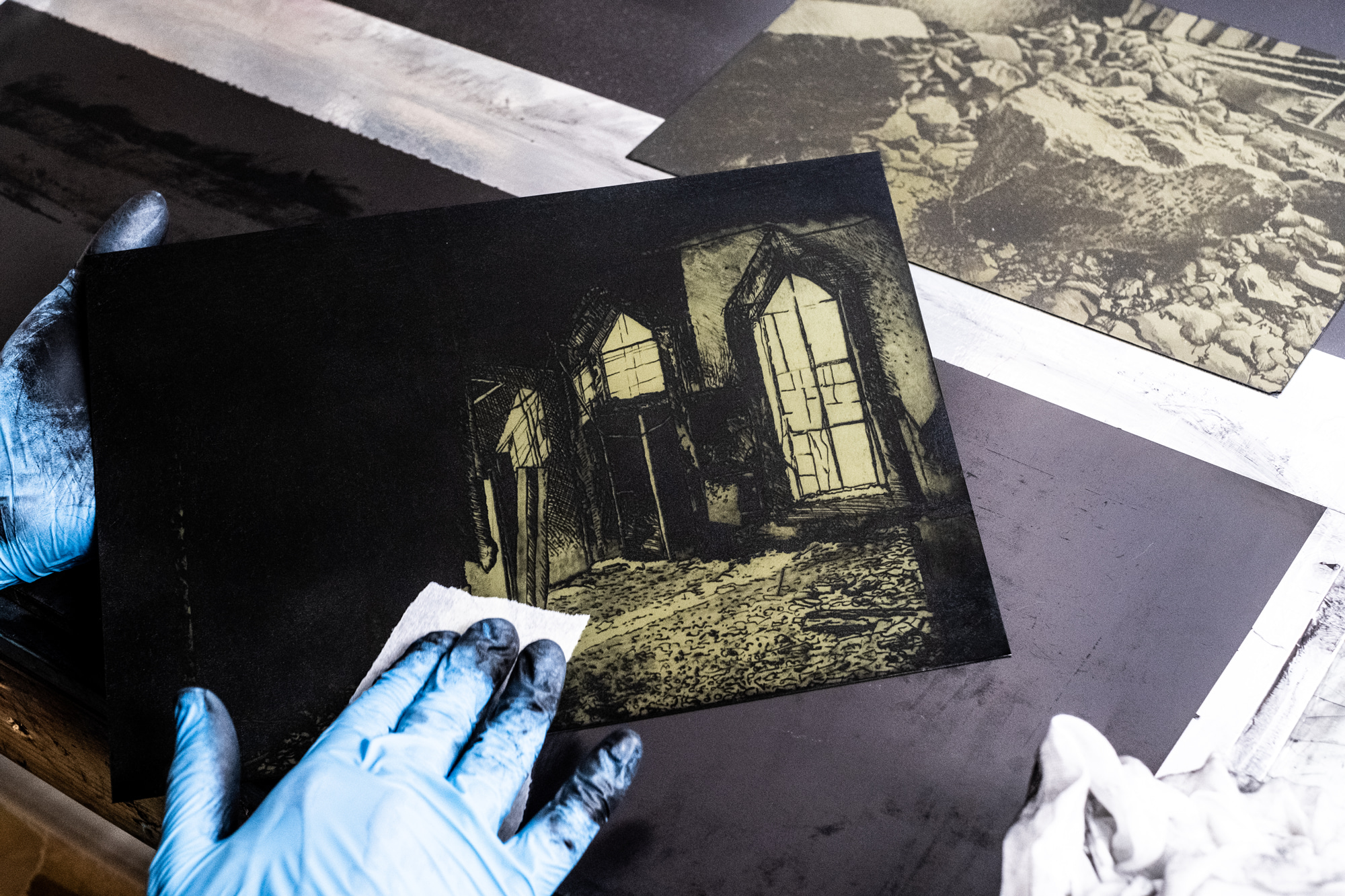
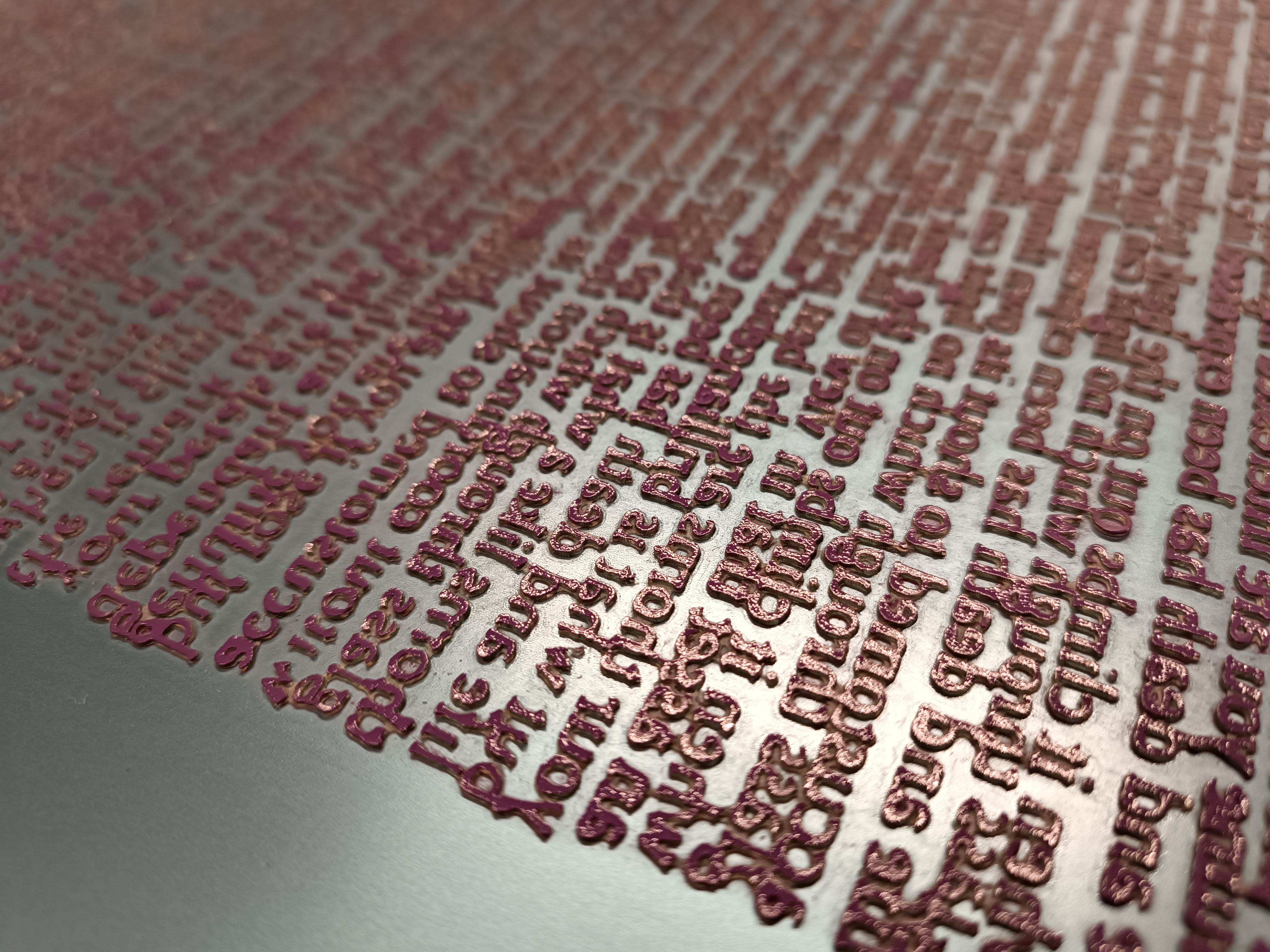
Atelier JI works across traditional and contemporary intaglio processes, including etching, aquatint, drypoint, engraving, photopolymer gravure and carborundum.
Intaglio is used where the work requires line, tone, pressure, depth, plate mark, surface texture or the physical authority of an impressed image.
Production is available on fine art papers up to double elephant scale, approximately 90 × 180 cm.
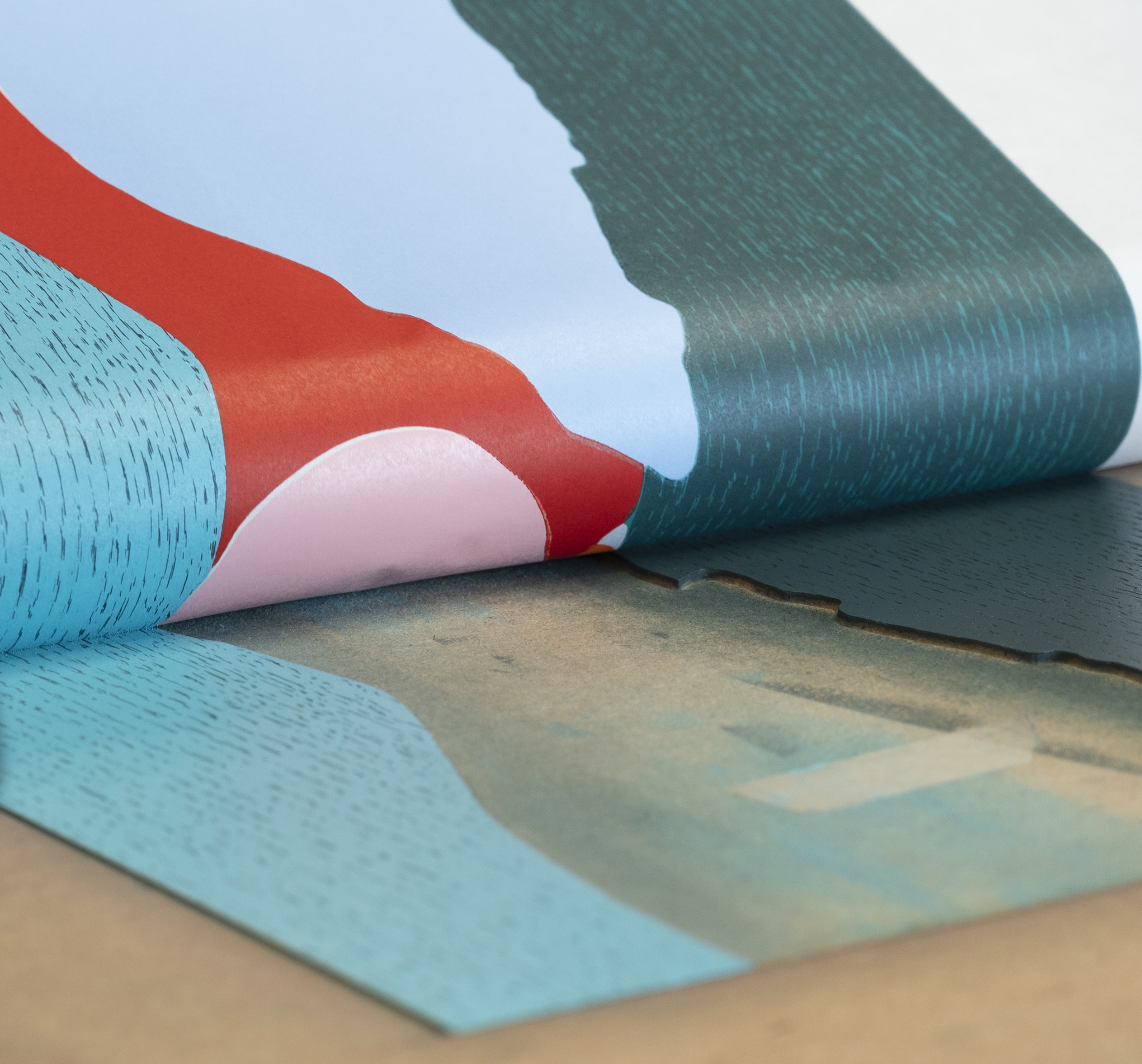
Relief processes are used where the work requires direct mark, pressure, surface, block structure or the clarity of a raised printing matrix.
Atelier JI works with woodcut, linocut, hand-cut and CNC-cut blocks, supporting both traditional relief editions and hybrid projects.
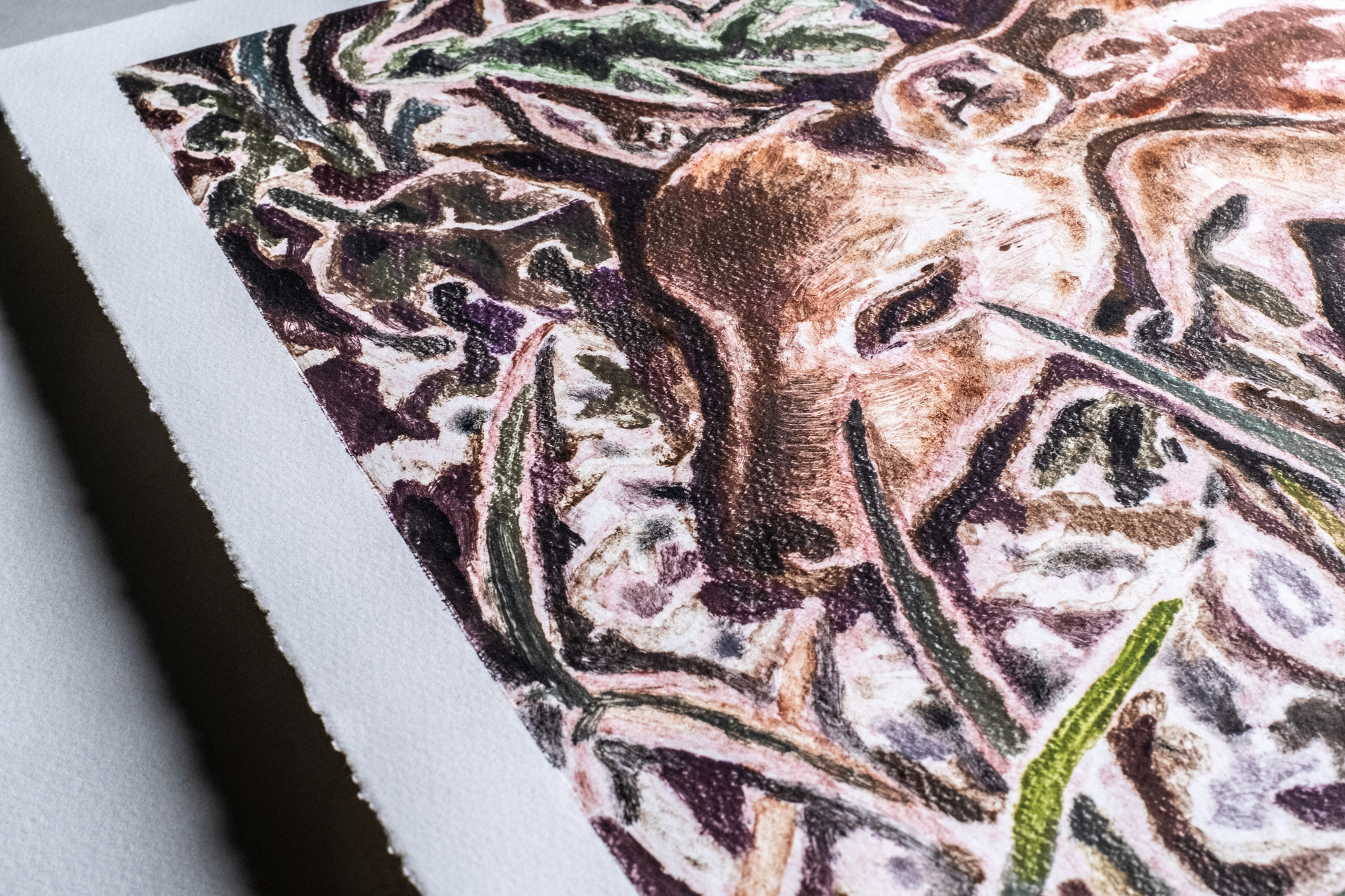
Monoprint and monotype processes are used for unique works, variable editions and projects where hand intervention or controlled variation is central to the result.
These processes may stand alone or sit within wider edition structures where each work carries a distinct surface or hand-worked element.
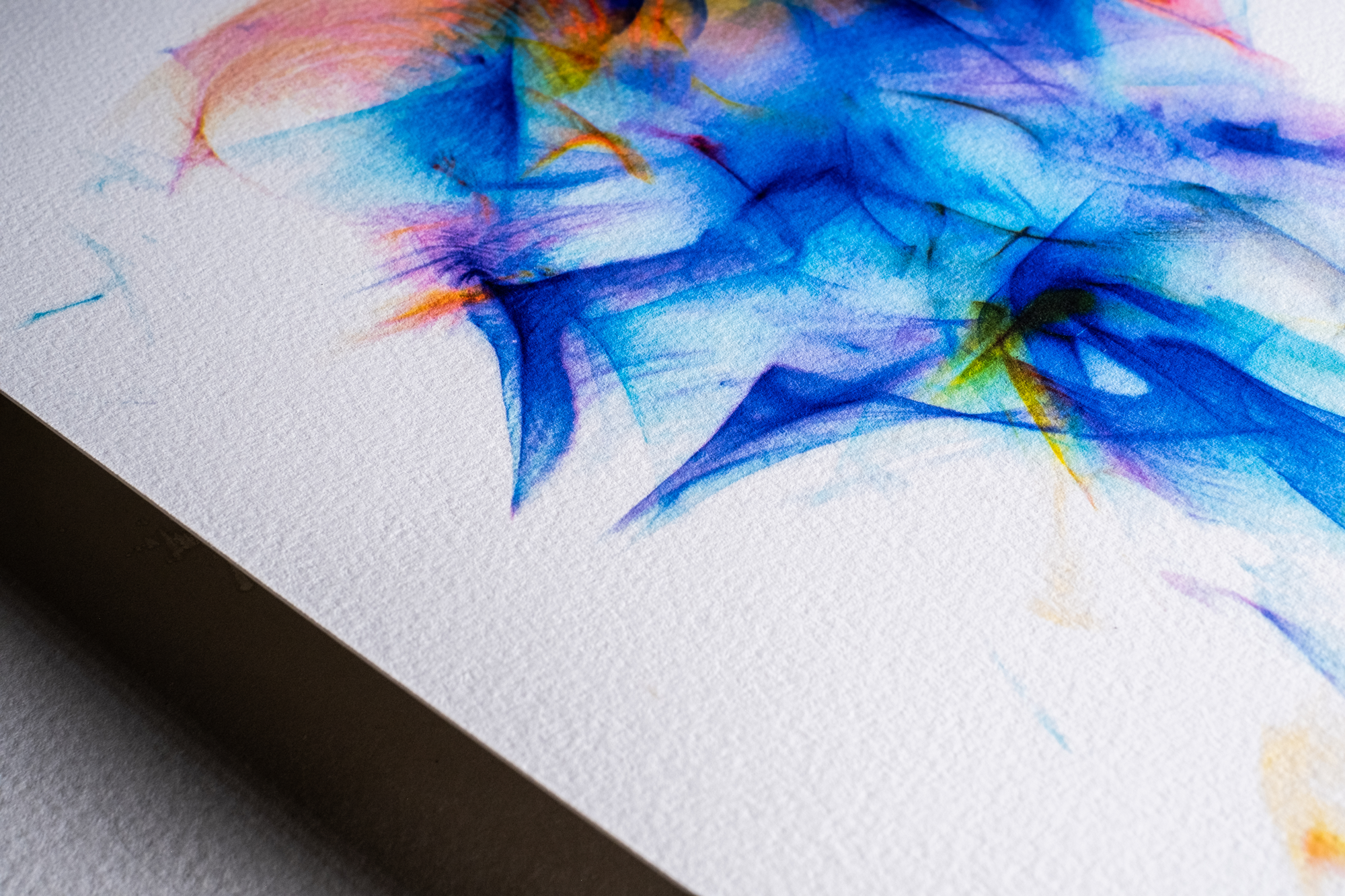
Digital production is used as part of the wider development and production of original editions and works on paper.
This may include archival pigment output, proofing, colour studies, separations, hybrid print structures or digital elements combined with screenprint, intaglio, relief or hand-applied processes.
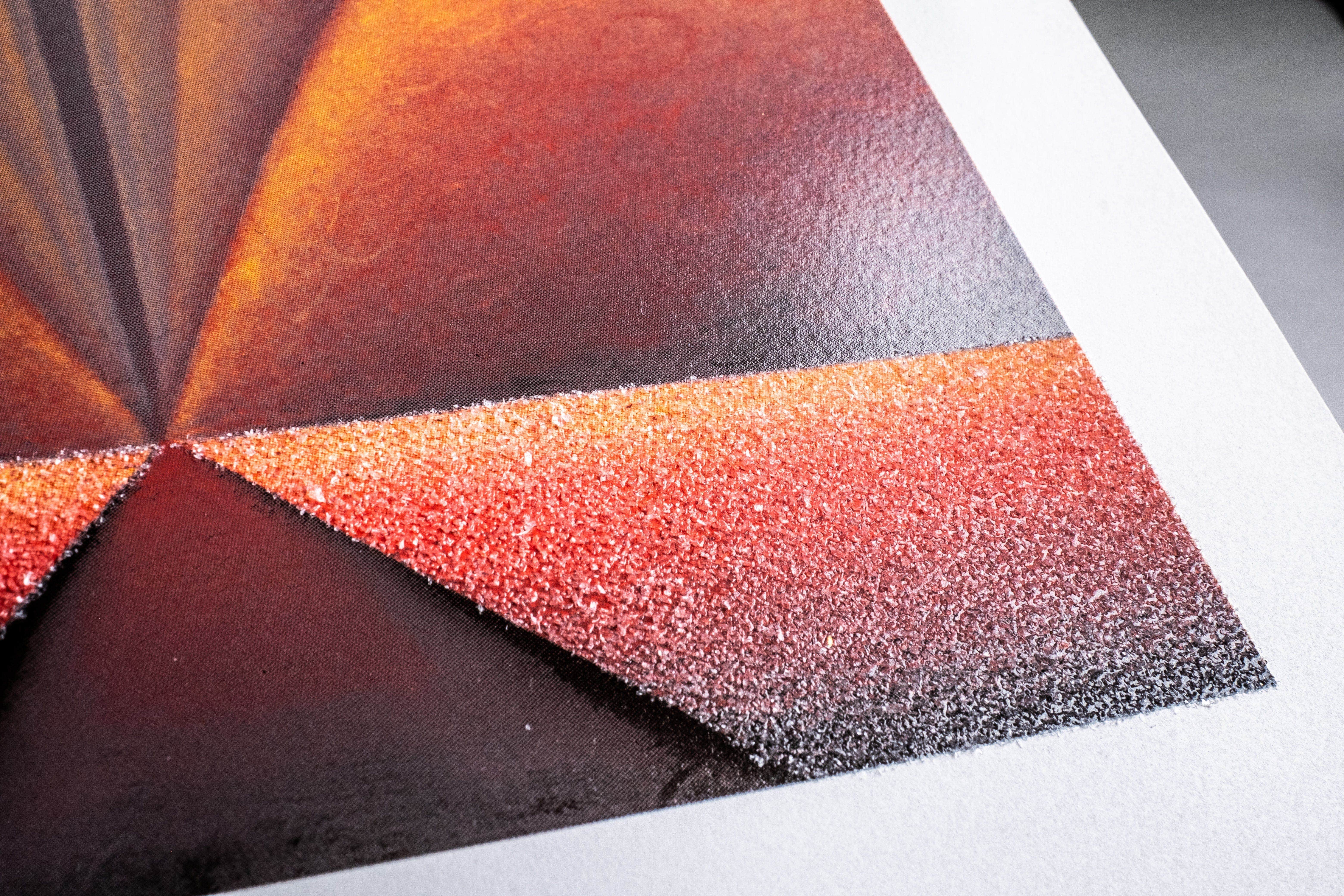
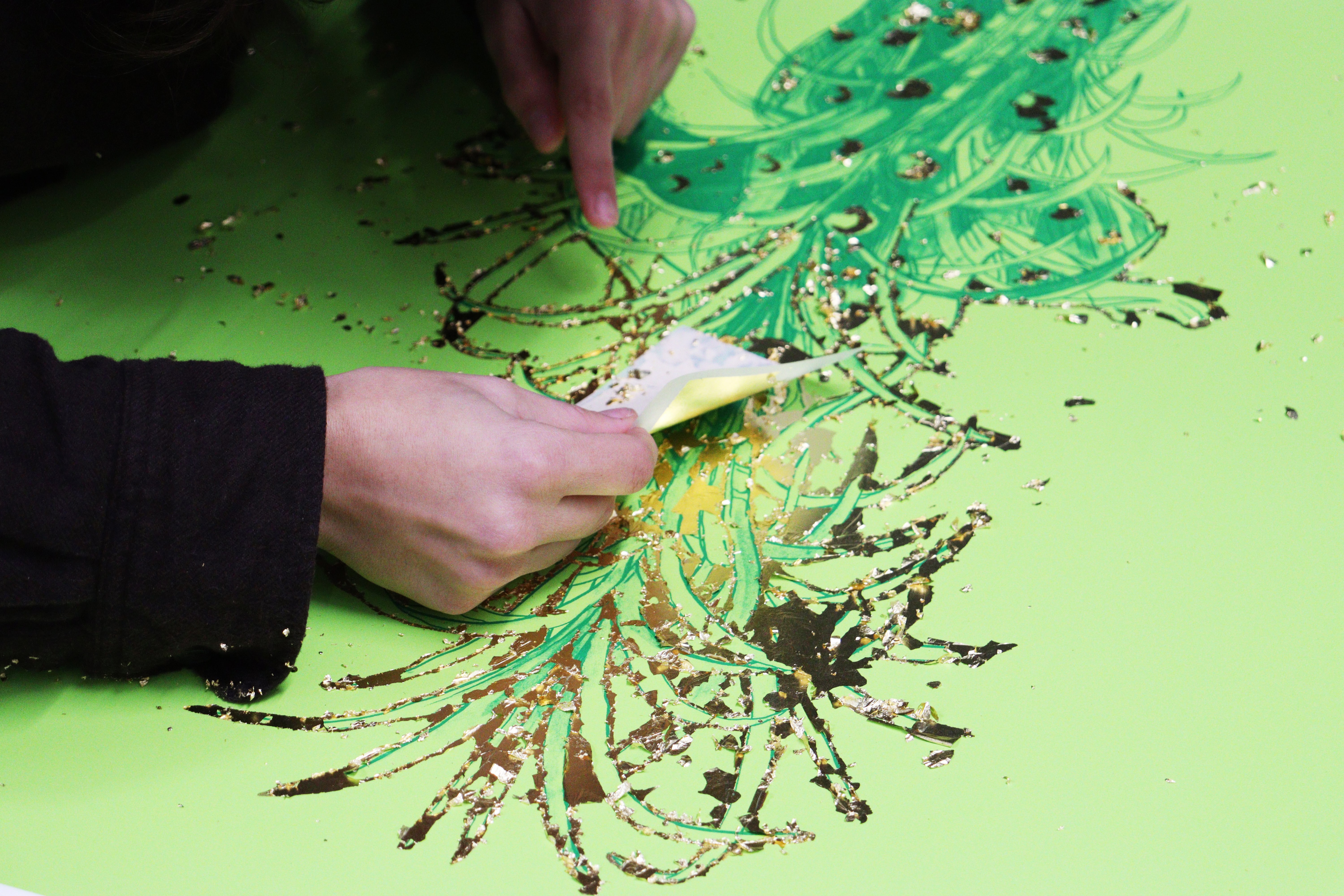
Varnish, specialist ink systems, metallic leaf, flocking, embossing, debossing, cut edges, deckled edges and hand-finished details are used where they strengthen the physical language of the edition.
Finishing may also include trimming, collation, signing preparation, numbering preparation, documentation, packing and presentation.
Development is fundamental to the way Atelier JI operates.
Some projects arrive with a defined technical direction. Others are discovered through the exploration of process.
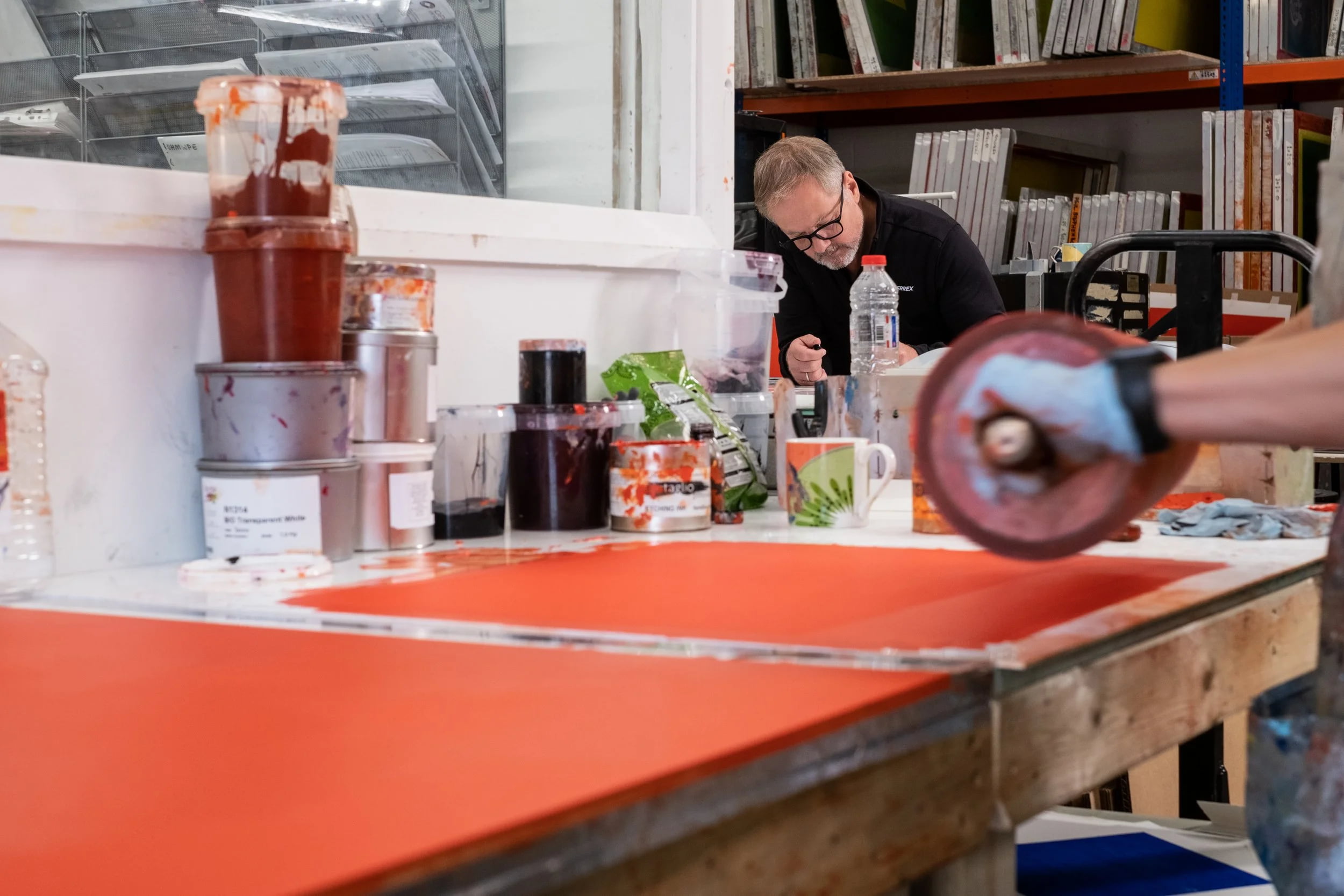
Colour trials, surface testing, material research, scale studies, registration tests, proofing, substrate evaluation and process comparison are undertaken as required, establishing the most appropriate route for each edition before it is committed to production.
Development is guided with precision at every stage.
Maintaining every stage in-house allows decisions to remain close to the edition as it develops. Colour, surface, registration, scale and material behaviour are resolved through continuous dialogue between artist, master printer and process, providing continuity from first proof to final edition.
The scope of production ranges from unique works and editions to large-format prints, complex multiples, unusual substrates and material-led investigations.
Whether producing a unique piece or a complex edition, the same principles apply: thoughtful collaboration and an unwavering commitment to the integrity of the finished object.